Education policy ·
By Oluwatosin Medaiyese
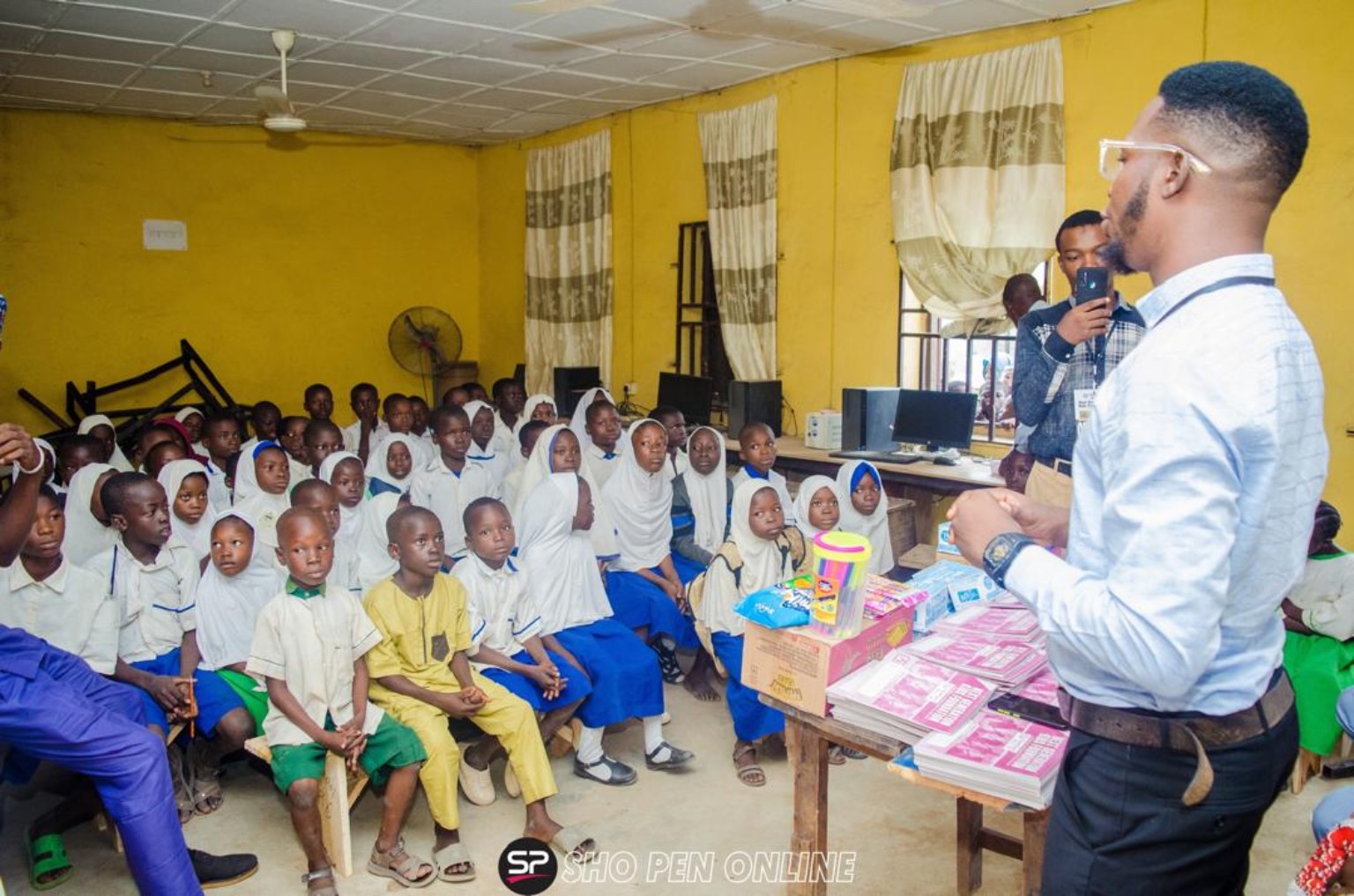
On World Teachers’ Day, I recognise the educators whose work shapes our children and our communities. Appreciation should also lead to a serious policy conversation about the conditions in which teaching and learning take place.
I graduated from Kwara State University in 2019 with a Bachelor of Science in Education. That background informs my belief that education deserves sustained attention in public leadership. A school system should be assessed through the opportunities it gives children to learn and the support it provides to the people teaching them.
Begin with school needs
An effective education agenda should begin with a clear picture of each school’s needs. Staffing, classroom conditions, water and sanitation, learning materials, accessibility and safety should be considered together. A new building cannot compensate for a shortage of teachers, and equipment has little value if it cannot be maintained.
Schools with greater barriers need attention when priorities are set. Rural location, disability-related access needs and the difficulties faced by families should inform decisions. Fair allocation requires an explanation of why a school is selected and how resources will reach it.
Support teachers throughout their careers
Professional development should respond to classroom needs: foundational reading and numeracy, inclusive teaching, classroom management and appropriate use of technology. Training needs time, follow-up and opportunities for teachers to discuss what works. Attendance certificates alone do not establish whether teaching has improved.
Teacher welfare also belongs in the policy discussion. Predictable compensation, transparent promotion processes and supportive school leadership are important standards. Recruitment and deployment should consider where teachers are needed and how to support them in those locations.
Connect funding to delivery
Education proposals should identify their cost, the responsible institution and the resources required over time. Public reporting should make it possible to distinguish an allocation from money actually released and work actually completed.
Community involvement can help identify problems and monitor improvements, while government retains responsibility for public services. Parents and school communities should be able to raise concerns without being expected to replace professional staff or finance essential provision themselves.
Measure learning, not announcements
The questions that matter include whether children attend, whether they develop reading and numeracy skills, and whether additional support reaches learners who need it. Assessment should help improve teaching rather than encourage schools to hide difficulties.
Technology should serve these goals. Before purchasing devices, decision-makers should consider electricity, connectivity, teacher preparation, repairs and accessible learning content. A simpler resource that is used consistently can be more valuable than an impressive purchase that remains unused.
An education conversation for Kwara
My hope for Kwara is an education agenda built through consultation with educators, parents and learners, supported by realistic funding and open reporting. Different public institutions must cooperate within their responsibilities. Political leadership should make those responsibilities clearer and insist on follow-through.
Celebrating teachers becomes meaningful when our decisions make it easier for them to teach and for children to learn. Which change should receive the greatest attention in your school community, and how would you judge its success?